

When you’re younger, health feels simple. Sleep is sleep. Energy is energy. Hair is hair. You don’t spend much time thinking about how these things relate to one another because, for the most part, your body takes care of itself.
A bad night’s sleep isn’t a big deal – you bounce back. A stressful week comes and goes. You recover quickly from workouts. You don’t think much about hormones, inflammation, or nutrient levels – not because they don’t matter, but because you rarely feel their impact directly. Health feels automatic.
Then, somewhere along the way, something changes. Not overnight. Not dramatically. Gradually.
You start noticing that a poor night’s sleep now affects your energy the entire next day. Stress seems to linger longer than it used to. Recovery takes more time. Your hair isn’t quite as thick as it once was. You find yourself waking up during the night more often.
None of these changes feel dramatic on their own. They happen so slowly that you don’t notice them accumulating — until one day, something just feels different. Not necessarily worse. Just… different.

Why Small Changes Start Adding Up
The real shift isn’t that the body suddenly begins changing — it’s that you start noticing how much those small changes influence each other.
A poor night’s sleep doesn’t stay isolated anymore. It affects energy the next day. Lower energy makes it harder to stay active. Less activity affects recovery. Ongoing stress affects sleep quality, motivation, and overall resilience.
What used to feel like separate experiences slowly starts behaving like one continuous system. And that’s the part most people don’t expect.
For years, many age-related changes were treated as unrelated issues. Hair thinning was a hair problem. Nighttime urination was a urinary problem. Low energy was an energy problem. But that separation doesn’t really exist inside the body.
Modern research increasingly shows that aging affects multiple systems at once — through:
- Hormonal shifts and changing baselines
- Oxidative stress and cellular fatigue
- Circulation changes and nutrient delivery
- Nutrient status and absorption efficiency
These processes don’t operate independently. They overlap and influence one another in subtle but cumulative ways.
So instead of several unrelated problems appearing at the same time, what’s often happening is one system gradually affecting another. That’s why changes tend to cluster: recovery slows, sleep becomes more important, energy feels less stable, hair changes, and other small shifts appear around the same stage of life.
Once you start seeing health through that lens, nutrition begins to look different as well. Instead of asking, “What fixes hair?” or “What supports the prostate?”, the question becomes:
What helps the body function as a system under changing conditions?
This is where certain nutrients begin to stand out — not because they target one specific issue, but because they appear across multiple areas of research.
Why Pumpkin Seed Oil Keeps Appearing in Research
One of those nutrients is Pumpkin Seed Oil. Pumpkin Seed Oil has been part of traditional diets for centuries, but modern research has uncovered a nutritional profile that makes it particularly interesting for healthy aging.
Pumpkin Seed Oil naturally contains a powerhouse blend of bioactive plant compounds:
- PHYTOSTEROLS: Plant sterols studied extensively for their role in cardiovascular wellness and prostate health.
- ESSENTIAL FATTY ACIDS: Particularly Omega-6 and Omega-9, which support cellular integrity and skin elasticity.
- ANTIOXIDANTS: Rich in Vitamin E and carotenoids that combat oxidative stress.
What makes Pumpkin Seed Oil unique isn’t necessarily one specific benefit. It’s the overlap. Research has explored its relationship with prostate health, urinary comfort, cardiovascular wellbeing, and even hair health — areas that many people begin paying more attention to as they move through their forties, fifties, and beyond.
While the science is still evolving, the broader pattern is difficult to ignore. Pumpkin Seed Oil keeps showing up in research because it sits at the intersection of several areas that become increasingly relevant with age.
The Bigger Picture
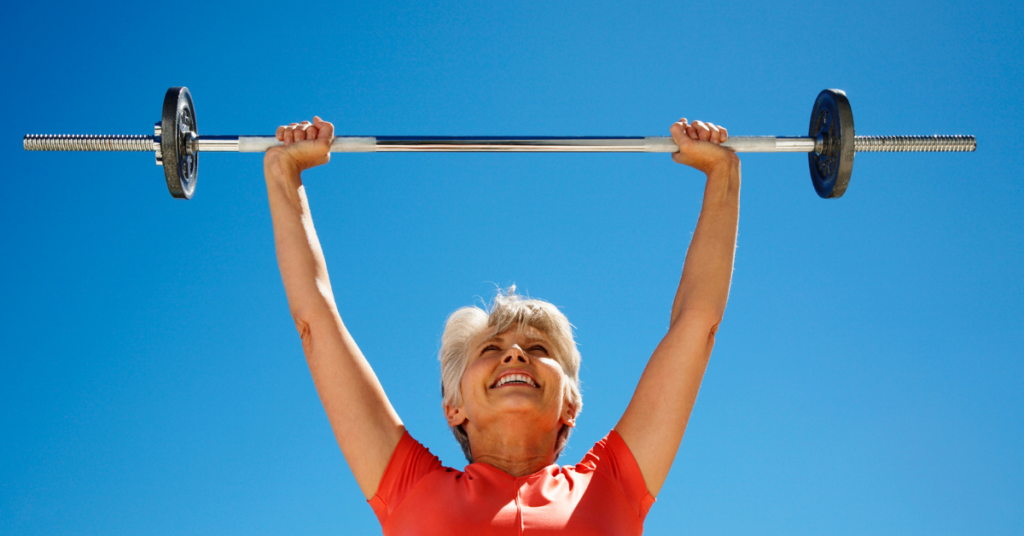
Perhaps the goal of healthy aging isn’t to prevent every change that comes with getting older. Most people aren’t trying to be twenty-five again. They want steady energy. Good sleep. Comfortable movement. Healthy hair. The ability to stay active and enjoy life without constantly thinking about their health.
That’s why the conversation around aging is slowly shifting. Less focus on fixing individual symptoms. More focus on supporting the systems that keep the body functioning well over time.
Viewed through that lens, Pumpkin Seed Oil isn’t really a “hair supplement” or a “prostate supplement.” It’s part of a broader approach to supporting the body as it ages.
Because the older we get, the more obvious one truth becomes: Everything is connected.


0 Comments