
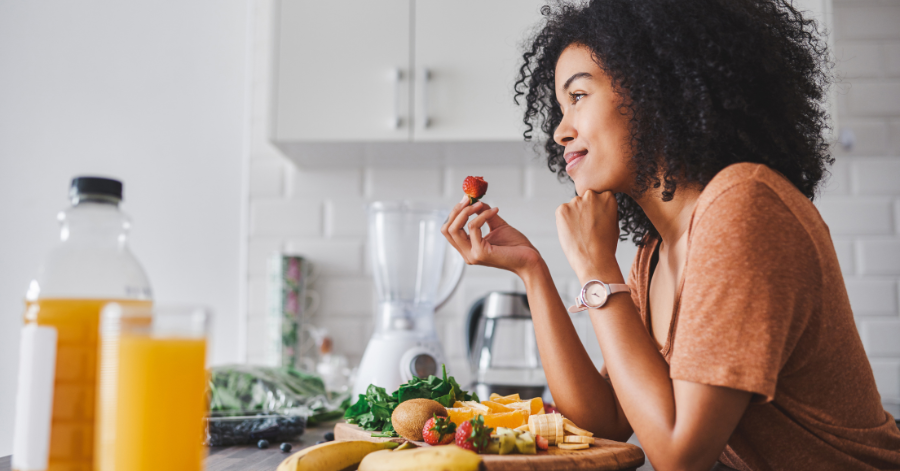
One of the strangest parts of taking a GLP-1 medication medication like Ozempic, Wegovy, or Mounjaro is realizing that food can suddenly become… less interesting. You may still enjoy eating, but the constant thoughts about food can quiet down. A meal that used to feel completely normal suddenly seems enormous. You eat a few bites and think, I’m done.
And while that reduced appetite may be exactly what you were hoping for, it creates a new question: if you’re eating less, how do you make sure you’re still getting enough nutrition? Because your appetite may have changed, but your body’s need for protein, fiber, vitamins, minerals, healthy fats, and fluids hasn’t.
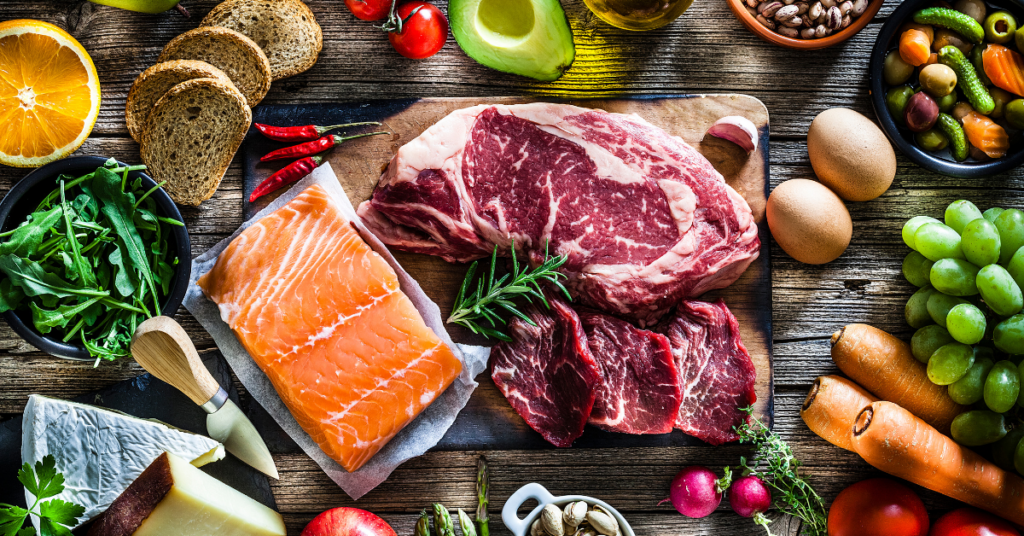
So, What Should You Eat on a GLP-1?
There isn’t one perfect GLP-1 meal plan, and you don’t need to completely overhaul your kitchen. Instead, focus on a few simple rules:
- Make protein a priority: Protect your muscle mass by building meals around protein first.
- Keep fiber in the picture: Support digestion gently and consistently.
- Eat a variety of plants: Prioritize micronutrients even in smaller portions.
- Stay ahead of hydration: Keep fluids constant to combat fatigue and dehydration.
- Listen to your body: Avoid forcing yourself to eat out of habit rather than hunger.
Recent nutrition research is increasingly looking at this exact challenge: maintaining adequate protein, micronutrients, and overall diet quality when appetite and food intake decrease during GLP-1 treatment. The goal isn’t to see how little you can eat. It’s to make the food you do eat count.
(And a quick note: if you’re consistently struggling to eat or drink, experiencing persistent vomiting, severe abdominal pain, or unexpectedly rapid weight loss, always check in with your healthcare provider. Eating less is part of the plan; missing out on vital nutrition shouldn’t be.)
What About Fiber and Digestion?
Then there’s the digestive side of things. GLP-1s slow down stomach emptying, which can bring on constipation, bloating, or nausea. Suddenly, the question isn’t just what to eat, but what you can actually tolerate.
Fiber is crucial here, but more isn’t automatically better. If your current diet is low in fiber, ramp it up gradually – don’t jump straight into massive raw salads and giant bowls of beans. Start with oats, soft fruits, cooked vegetables, and legumes. If getting enough fiber from food feels like a chore on low-appetite days, adding a gentle soluble fiber like psyllium husk can be a practical bridge. Just remember: fiber without water makes constipation worse, so keep fluids up.

Don’t Forget to Drink
Food isn’t the only thing that can quietly disappear from your routine. When you’re eating less, you may also be getting less fluid from food. If nausea, vomiting, or diarrhea enters the picture, staying hydrated can become even harder.
Make sipping water a habit throughout the day rather than something you chase when you’re already thirsty. When your food intake is low, keeping an electrolyte blend on hand can also help keep your energy levels stable.
And This Is Where Supplements Can Fit In
Food should always do most of the work. But real life isn’t a nutrition textbook. Some days you’ll hit all your nutrition targets effortlessly. Other days, you’ll realize at 4 p.m. that you’ve barely
At NutriONN, our range covers different parts of everyday wellness — from fiber and electrolytes to gut health and greens. They’re not intended to replace meals or turn nutrition into a supplement routine. They’re simply options for those areas where your everyday diet may sometimes need a little extra support. Because your needs aren’t necessarily the same every day, either.



0 Comments